.png)
Natural Ways to Keep Skin Hydrated
- Yondr Natural Co.

- Sep 30
- 4 min read
When I think about caring for my skin, I always come back to the simple, nurturing ways that nature offers. Our skin, the largest organ of the body, deserves tender attention and gentle care. Hydrating your skin naturally is not just about slathering on creams; it’s about embracing a lifestyle that supports your skin’s health from the inside out. Today, I want to share with you some of my favorite skin hydration methods that feel like a warm hug for your skin, leaving it soft, supple, and glowing with vitality.
Discovering Gentle Skin Hydration Methods That Work
Hydrating your skin naturally means listening to what your skin needs and responding with kindness. One of the first things I do is focus on my daily water intake. Drinking plenty of water throughout the day helps maintain moisture balance and flushes out toxins that can dull your complexion. But hydration is more than just water - it’s about creating a nurturing environment for your skin.
I love incorporating foods rich in omega-3 fatty acids, like walnuts and flaxseeds, into my meals. These healthy fats help strengthen the skin’s barrier, locking in moisture and preventing dryness. Additionally, eating colorful fruits and vegetables packed with antioxidants supports skin repair and protects against environmental stressors.
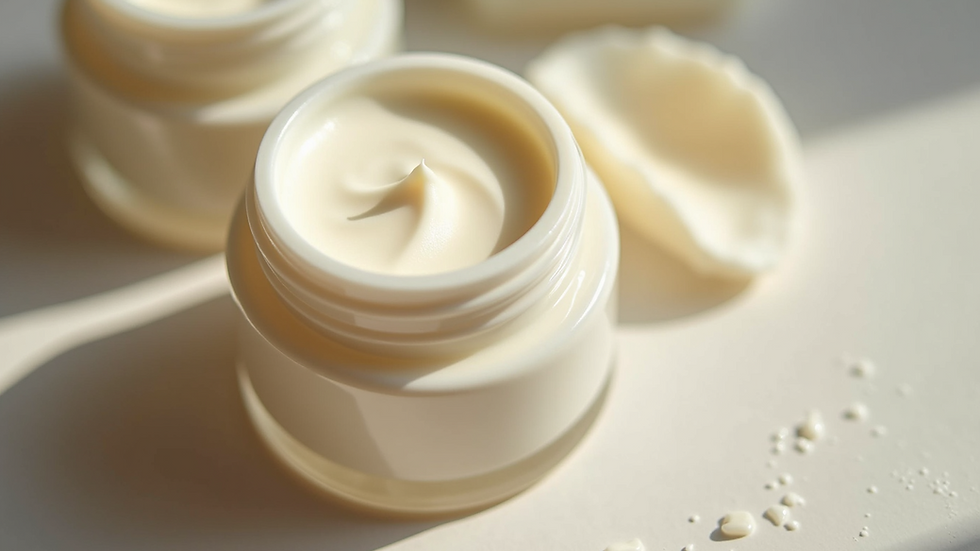
On the outside, I gently cleanse my skin with mild, natural cleansers that don’t strip away its natural oils. After cleansing, I apply a nourishing moisturizer that contains ingredients like shea butter, jojoba oil, or tallow. These ingredients mimic the skin’s natural oils, providing deep hydration without clogging pores.
Using a humidifier in my living space during dry months also helps maintain moisture in the air, which my skin appreciates immensely. And of course, I never forget to protect my skin from harsh sun exposure by wearing a broad-spectrum sunscreen daily.
What is the Best Natural Thing for Dry Skin?
When my skin feels parched and tight, I turn to nature’s most soothing remedies. One of the best natural things for dry skin is pure aloe vera gel. Its cooling, hydrating properties instantly calm irritation and replenish moisture. I keep a small aloe vera plant at home so I can cut fresh leaves whenever my skin needs a gentle boost.
Another favorite is raw honey. Honey is a natural humectant, meaning it draws moisture into the skin and seals it in. Applying a thin layer of honey as a mask for about 15 minutes leaves my skin feeling soft and deeply hydrated.
For those moments when I want a richer treatment, I reach for tallow-based balms. Tallow is a traditional, nutrient-dense fat that closely resembles the skin’s own oils. It melts beautifully on the skin, providing long-lasting hydration and helping to repair the skin barrier. This makes it an excellent choice for dry or sensitive skin types.

Incorporating these natural remedies into your routine can transform dry, flaky skin into a smooth, glowing canvas. Remember, the key is consistency and gentle care.
Simple Daily Rituals to Boost Skin Hydration
Creating a daily ritual around skin hydration can be a soothing and mindful experience. I start my mornings by splashing my face with lukewarm water, avoiding hot water that can strip away moisture. Then, I gently pat my skin dry with a soft towel, leaving it slightly damp to lock in hydration.
Next, I apply a lightweight serum infused with hyaluronic acid or rose water. These ingredients attract moisture and help maintain a plump, dewy complexion. Following this, I massage a small amount of my favorite natural moisturizer into my skin using upward, circular motions. This not only hydrates but also stimulates circulation, giving my skin a healthy glow.
At night, I indulge in a richer moisturizer or a tallow balm to nourish my skin deeply while I sleep. I also make sure to drink a glass of water before bed to keep my body hydrated overnight.
In addition to topical care, I practice mindful breathing and stress reduction techniques. Stress can dehydrate your skin, so taking moments to relax and breathe deeply supports your skin’s natural balance.

By turning these steps into a loving ritual, you invite calm and care into your day, which your skin will thank you for.
How Environment and Lifestyle Affect Your Skin’s Hydration
Our environment plays a huge role in how well our skin stays hydrated. Dry air, pollution, and harsh weather can all sap moisture from your skin. I’ve learned to adapt my skincare routine with the seasons, using richer creams in winter and lighter lotions in summer.
Indoor heating and air conditioning can also dry out the air, so I keep a small humidifier nearby, especially during colder months. This simple addition makes a noticeable difference in how soft and hydrated my skin feels.
Lifestyle choices matter too. Smoking and excessive alcohol consumption can dehydrate your skin and accelerate aging. I choose to nourish my body with wholesome foods, plenty of water, and regular exercise, which boosts circulation and skin health.
Getting enough sleep is another vital factor. When you rest well, your skin has time to repair and regenerate, maintaining its moisture balance naturally.
Embracing Natural Skin Hydration with Yondr Natural Co.
Finding trustworthy, natural skincare products can be a journey, but it’s one worth taking. I’ve discovered that products made with simple, wholesome ingredients like those from Yondr Natural Co. offer a beautiful way to support your skin’s health. Their tallow-based balms and creams feel like a gentle embrace, nourishing deeply without any harsh chemicals.
Choosing natural skincare is a loving act of self-care. It honors your skin’s unique needs and connects you to the earth’s pure gifts. When you nurture your skin with kindness and patience, you’ll notice a radiant glow that comes from true hydration and health.
I invite you to explore these natural skin hydration methods and find the ones that resonate with you. Your skin will thank you with softness, resilience, and a luminous glow that feels as good as it looks.


Comments